

 EU Citizenship
 Slovenian Citizenship
 Romanian Citizenship
 Bulgarian Citizenship
 Austrian citizenship (investments)
 Italian Citizenship
 Cypriot Citizenship
 Lithuanian Citizenship
 Portuguese Citizenship
 French Citizenship
 German Citizenship
 Hungarian Citizenship
 Dutch Citizenship
 Belgian Citizenship
 Croatian citizenship


Spanish citizenship: freedom of travel and European comfort
Spanish citizenship opens the door to a fulfilling life in the countries of the European Union. You are free to live and work in any EU member state, enjoy the benefits of advanced social and educational systems, and travel the world without the need for visas.

By becoming a Spanish citizen, you become a full participant in the European space of opportunities. This status is the key to freedom of travel, legal employment, education and social support in the European Union.


There are several ways of obtaining Spanish citizenship - the choice of the best one depends on the legal status and personal circumstances of the applicant. The most common way is naturalization as a result of long-term residence in the country. However, for a number of people there are simpler conditions for obtaining Spanish citizenship.
Persons who have lived legally in Spain for at least 10 years can apply for citizenship. The prerequisites are knowledge of the Spanish language, no criminal record and a stable source of income.
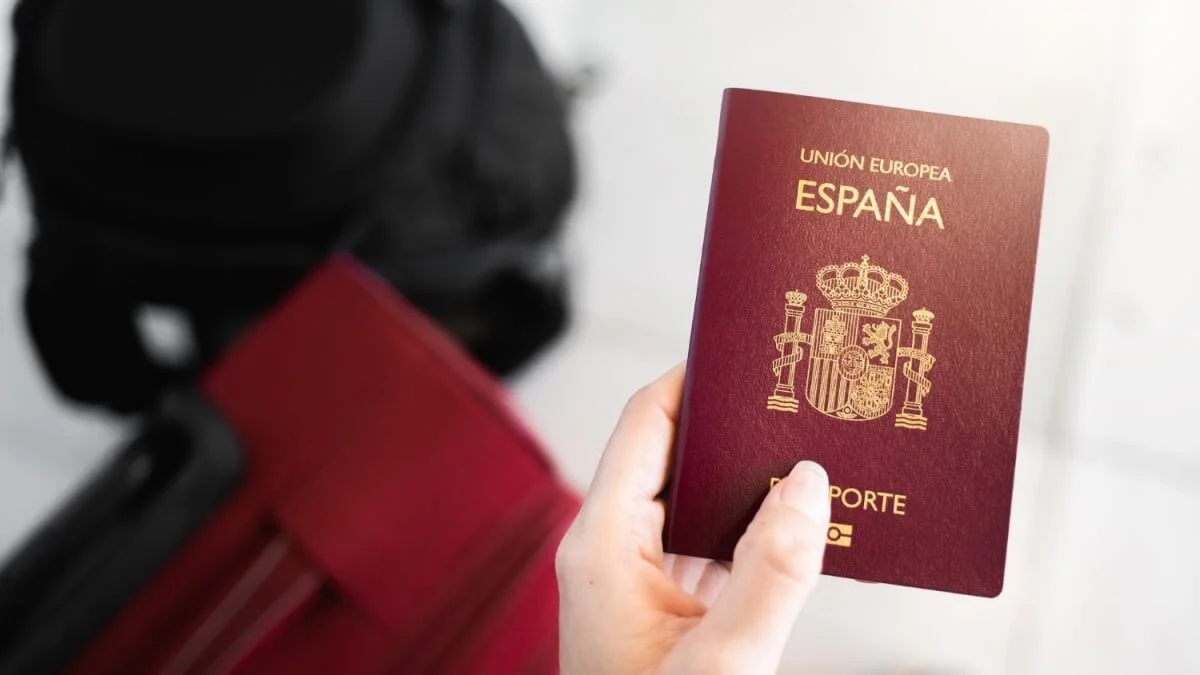
You can apply for citizenship if you are officially married to a Spaniard/Spaniard and have lived together for at least one year in Spain. There are still requirements for language proficiency and reliability of the applicant.

Refugees after 5 years of legal residence in the country, citizens of Latin American countries, Andorra, Philippines, Equatorial Guinea, and descendants of Sephardic Jews - after 2 years - are eligible for the accelerated procedure (after 2 or 5 years of residence).

The program of investment residence permit provides for obtaining a residence permit when investing from 500 000 EUR in the economy of the country. Although it does not give a direct right to citizenship, its participants can obtain a passport on a general basis after 10 years of residence in Spain.

Leave your contacts so that a specialist can contact you and help you find an immigration basis


The procedure for obtaining Spanish citizenship may have different nuances depending on the grounds, but the basic algorithm is always the same. Compliance with legal requirements at every stage of the process is the key to success. Professional support greatly simplifies the procedure, reduces the risk of rejection and accelerates the obtainment of the desired status.
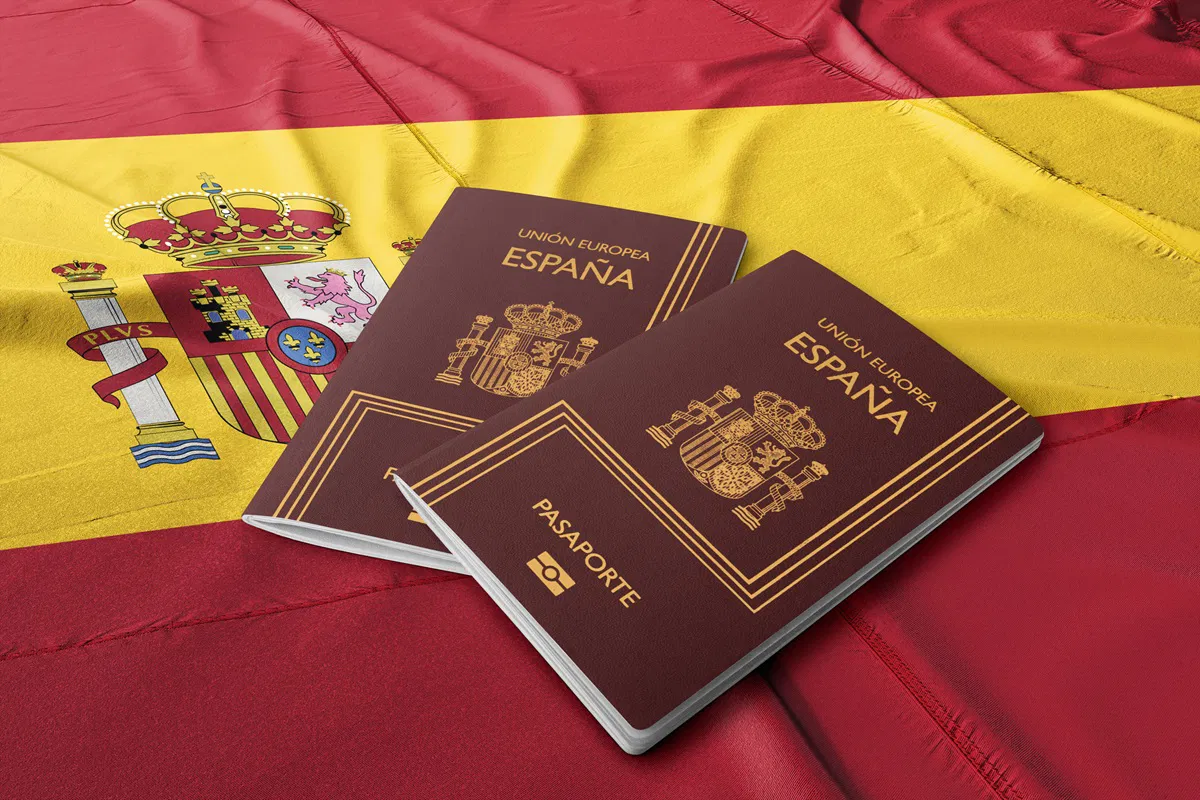
Initially, a detailed analysis of your personal situation - legal status, length of residence, family and professional circumstances - is carried out. Based on these data, the most suitable path to citizenship is selected. Specialists draw up a clear plan of action, identify possible difficulties and find effective ways to eliminate them. This strategy helps to avoid delays and increases the chances of successful completion of the procedure.
The list of documents depends on the basis for obtaining citizenship, but a standard set of documents usually includes an application form, a valid passport or other identity document, a birth certificate, certificates of criminal record from all countries where you have lived, certificates confirming knowledge of the Spanish language and the basics of the state system (DELE and CCSE exams). Special attention is paid to correct translation, notarization and, if necessary, legalization of documents. Lawyers accompany the process of dossier formation, check its compliance with the established requirements and conduct a final check before submission.
The completed documents are sent to the Spanish Ministry of Justice - it is possible to submit them via an electronic portal, in person or by mail through the local civil registry office (Registro Civil). According to the rules of the Civil Code, the review period is up to one year. In case of a positive decision, the applicant receives a notification of citizenship. Then he/she has to formally renounce his/her former citizenship (if applicable) and swear an oath of allegiance to the Spanish Constitution and laws.
Once the procedure is complete, you can apply for an internal ID card (DNI) and a passport (Pasaporte). To do this, you need to visit the documentation department, present your ID card, a current photo and pay the state fees - 12 EUR for the ID card and 30 EUR for the passport. Additionally, it is possible to register in the tax system and get a personal identification number (NIE/NIF) necessary for labor and business activities, opening bank accounts.

Fill out the form to have us contact you as soon as possible

We have compiled answers to the most common questions that concern applicants planning to obtain Spanish citizenship. If you would like more information, we will be happy to provide it to you.
The general period for obtaining citizenship consists of 10 years of residence and about a year of processing the application. Depending on the reason for requesting a passport, the residence period can be reduced to 1-5 years.
When obtaining citizenship by the main methods (naturalization, marriage) it is obligatory to know the language. You will need to pass a special test and obtain a DELE certificate, as well as confirm your knowledge of the culture and history of the country.
In most cases, renouncing your first citizenship is mandatory. Having two passports in Spain is allowed only to citizens of those countries with which special agreements have been signed, and they are not so many - Andorra, Philippines, Equatorial Guinea and Portugal.
Minor children can be included in the application and the status will be granted to them along with you automatically. Family reunification is possible for a spouse - first a residence permit is issued and then a passport is issued through a special procedure, which is much easier than standard naturalization.
If the case is accompanied by lawyers, the probability of a positive answer is higher than 90%. Specialists do everything to exclude errors and comply with the current requirements, objectively assess the chances of success in advance and level out possible risks.
Investors can obtain a residence permit on the basis of their investments, but the path to citizenship for them is the same as for all other foreigners - it requires 10 years of residence and fulfillment of all standard conditions.

